
Choose your industry
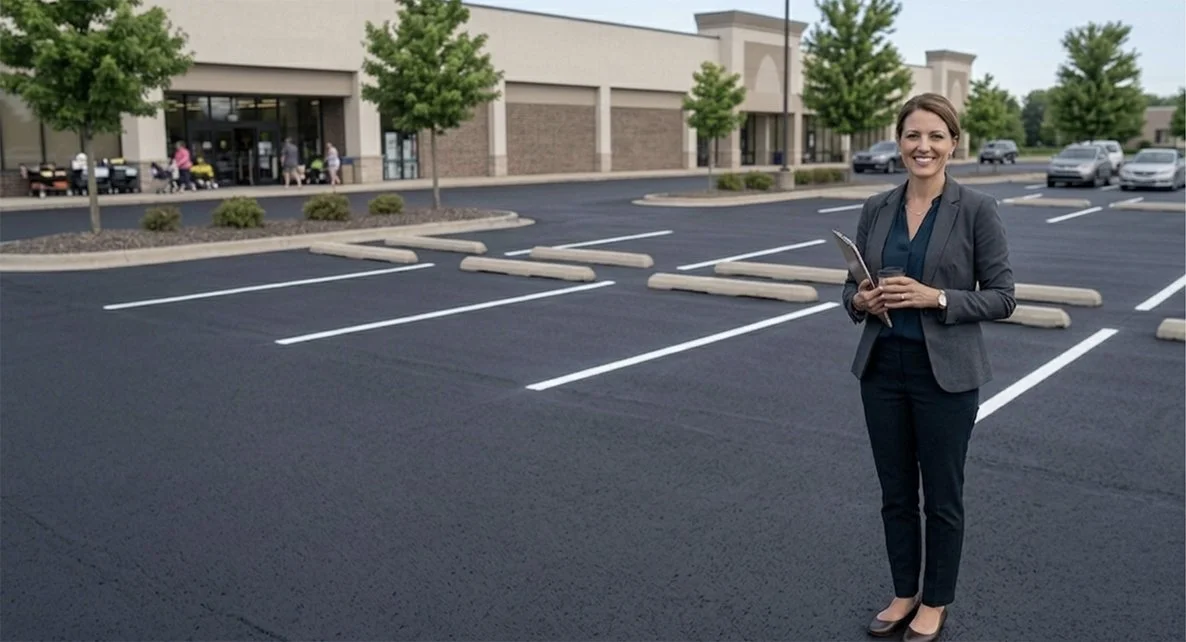
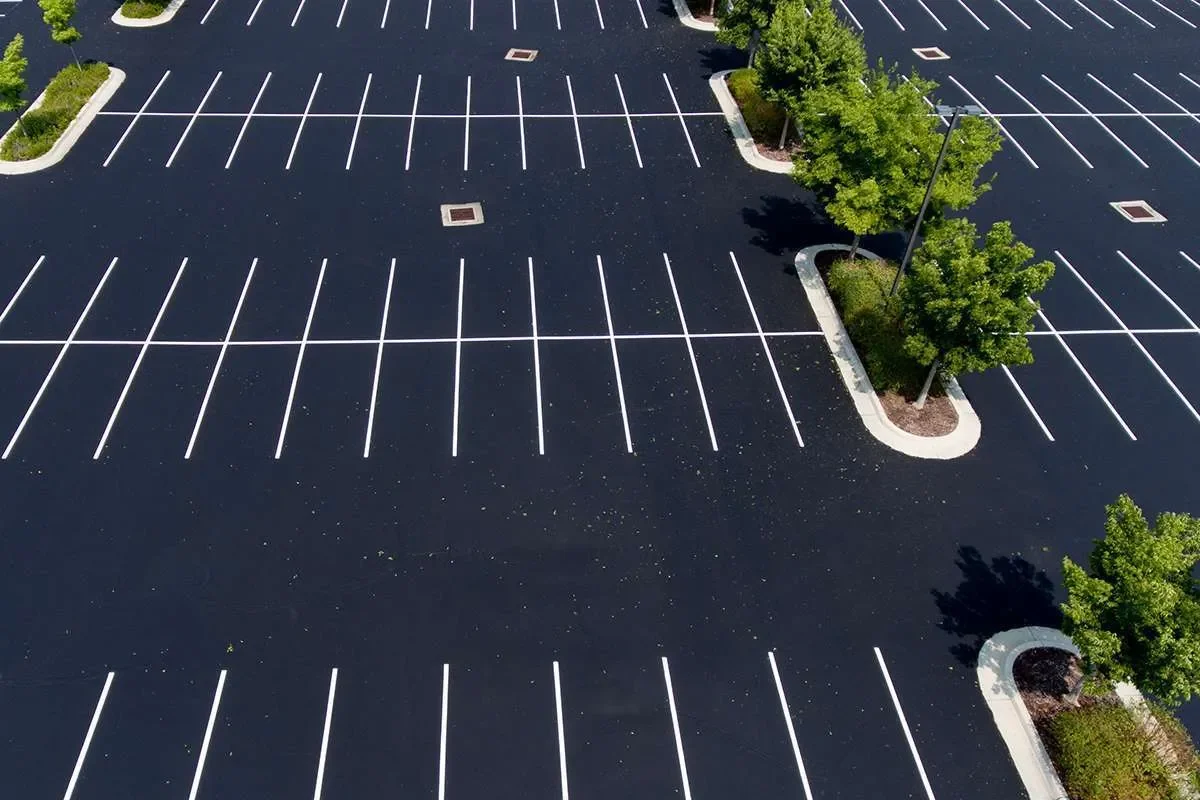
Benefits of Choosing BioBlack AR
(Results vary based on initial asphalt quality, climate, traffic volume, and maintenance.)
RESTORES ASPHALT
Reduces raveling by 50% or more
Extends overlay life cycle by up to 5 years
Durable black pigment keeps asphalt looking refreshed
Improves pavement condition index (PCI) score by up to 30 points over lifetime
FAA P-632 performance compliant
High skid resistance (>50 friction value)
EASY TO APPLY
No tracking onto floors and carpets
Easy to apply (no sand or water required)
A single coat means a same day turnaround
No noxious odors to annoy customers or the community
Cures within 4 to 8 hours
Cleans off machinery with soap and water (no kerosene)
No chemical burns and safer for application crews
SUSTAINABLE
98.9% bio-based
Non-toxic for people and animals
No PAHs, VOCs, or PFAS to meet regulations
Third party verified Carbon neutral
Black pigment made from FSC-certified wood waste
Safe for surrounding vegetation and community members
BioBlack AR vs Sealcoat
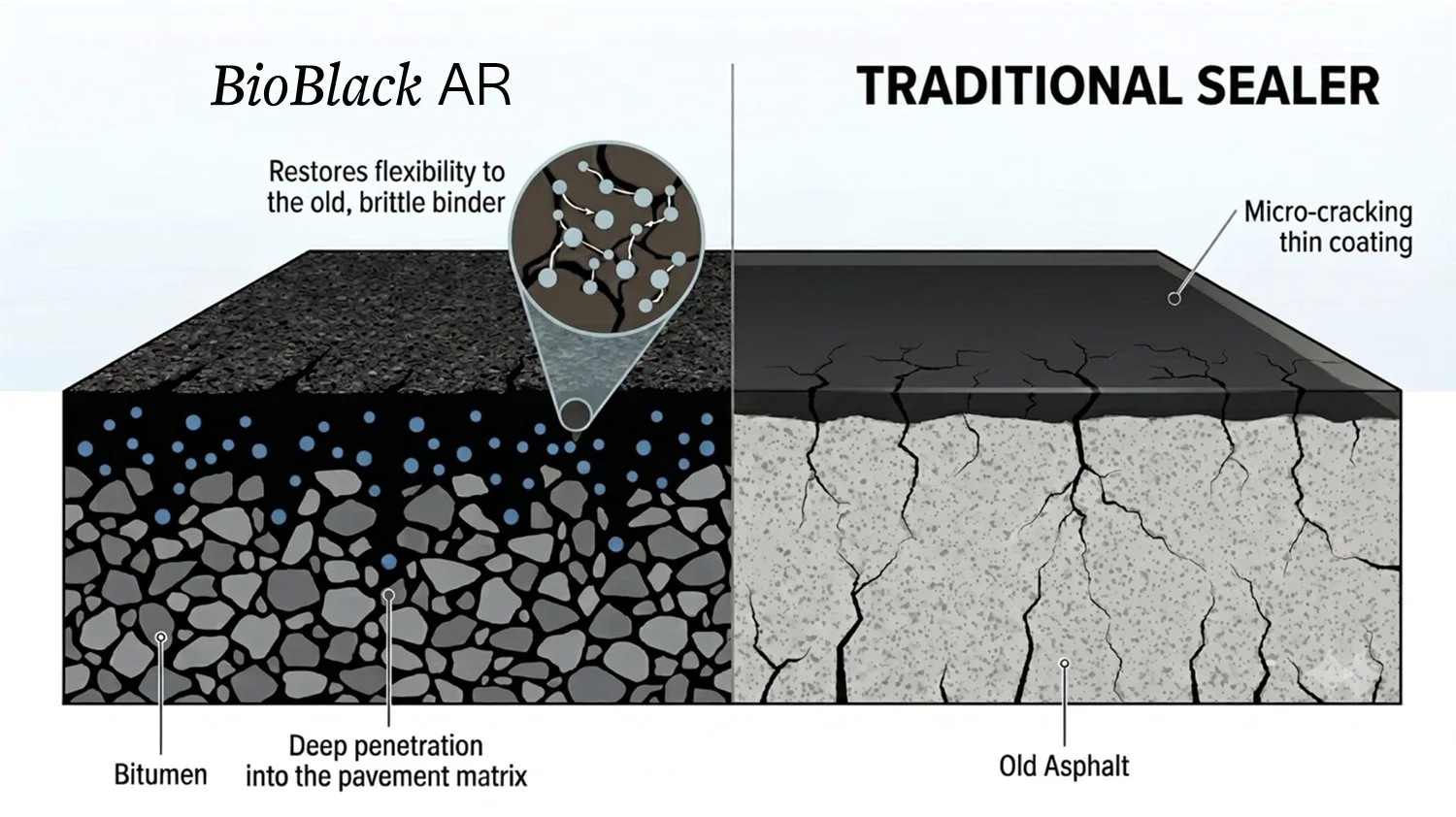
Sealcoat is a superficial layer that temporarily covers your dried asphalt like paint. It cracks and fades and wears off just when you need it. And if applied too soon, sealcoats may even damage the asphalt underneath.
BioBlack AR goes deep because its bio-based formula is engineered to mimic asphalt's own molecular structure. That asphalt-compatible chemistry lets it absorb into the surface and restore the binder, rebuilding it from the inside out so it stays smoother, blacker, and extends its life by up to 30% on a recommended maintenance program.
One covers the problem. The other solves it.
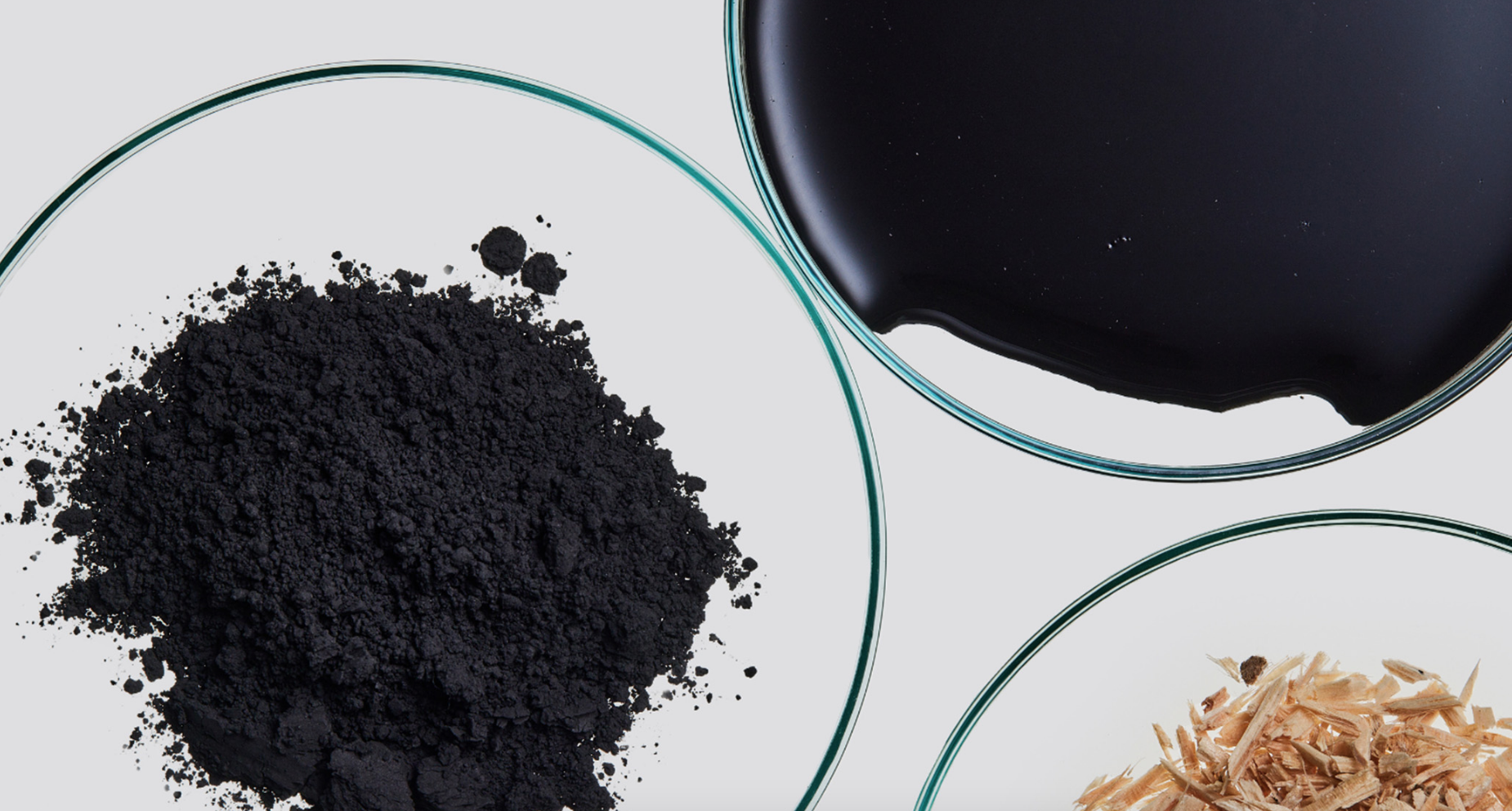
Made with BioBlack — our certified, wood-based pigment.
Learn about the revolutionary pigment behind Nature Coatings BioBlack AR ↗
NATURE COATINGS TRUSTED SINCE 2017














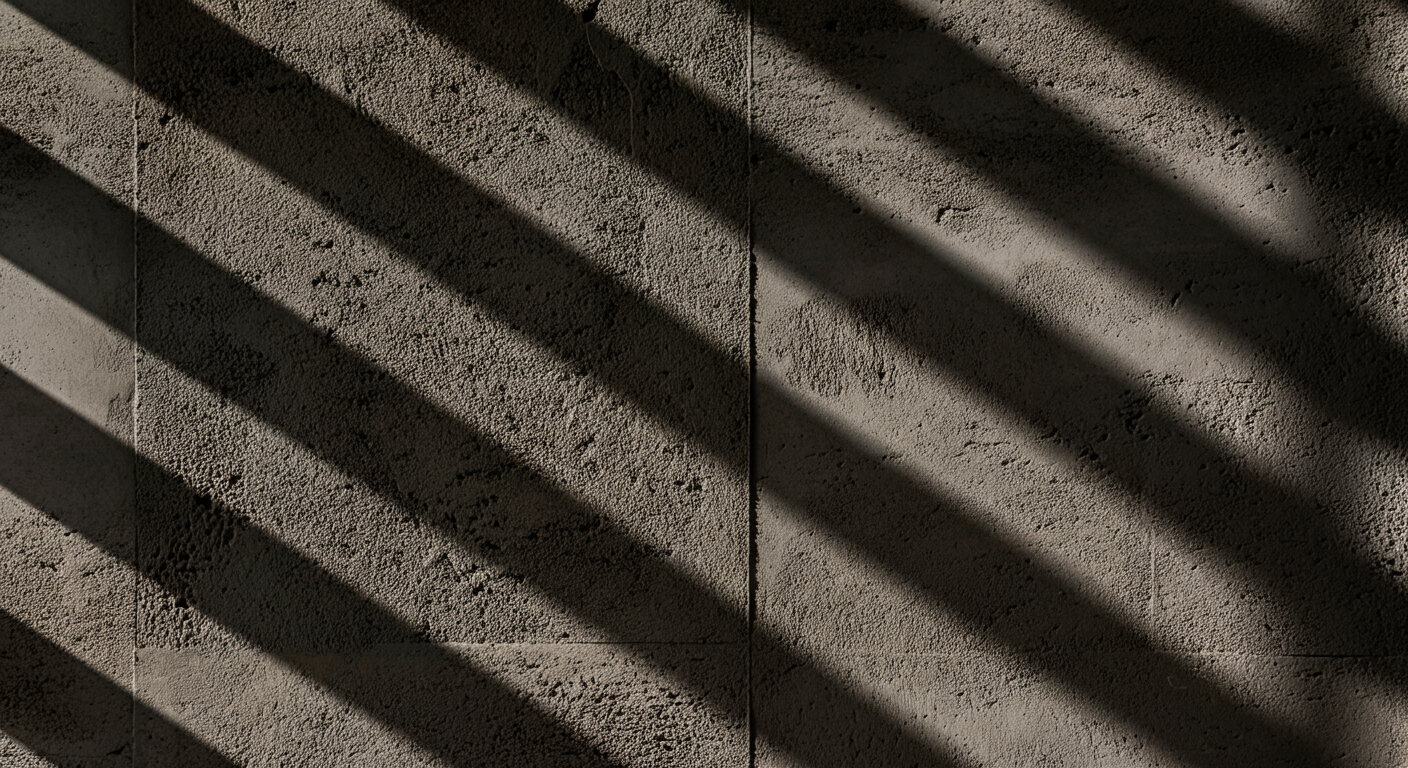
BioBlack AR In Action
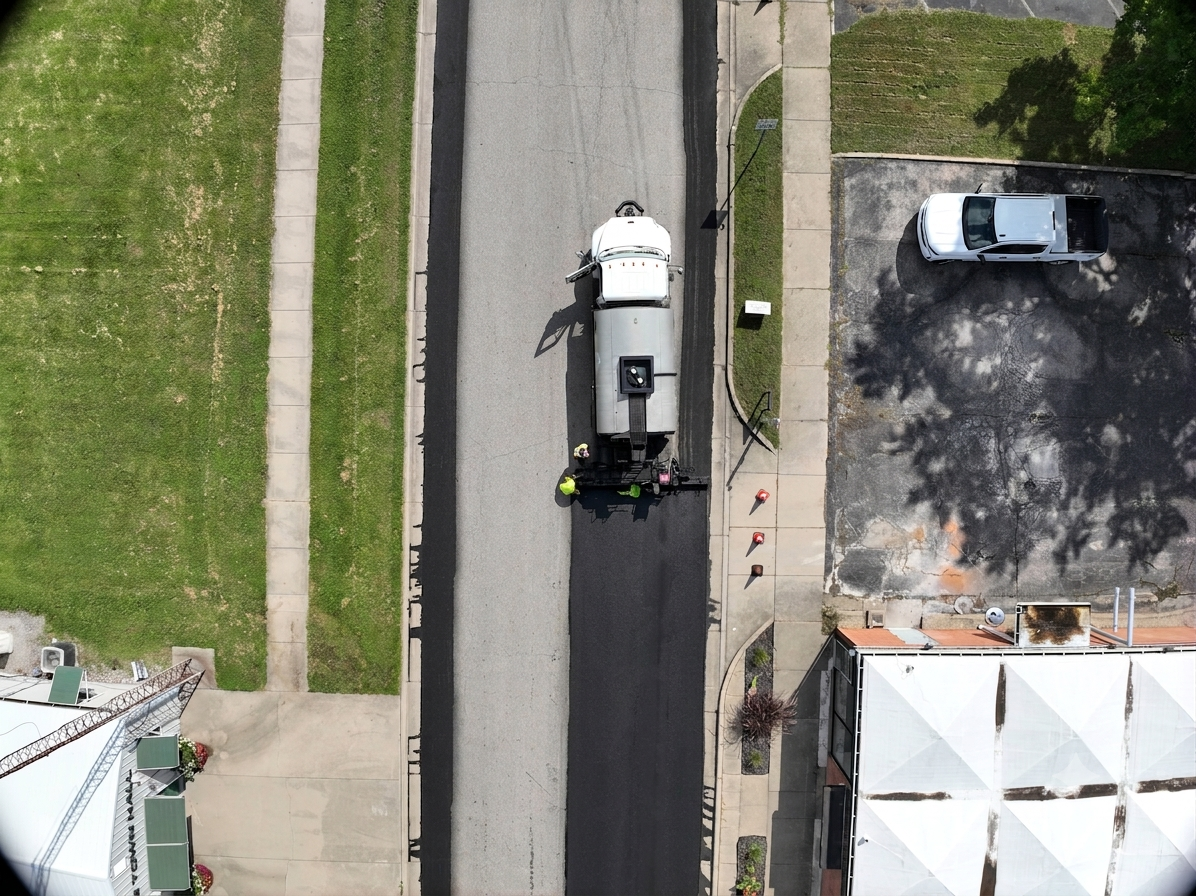
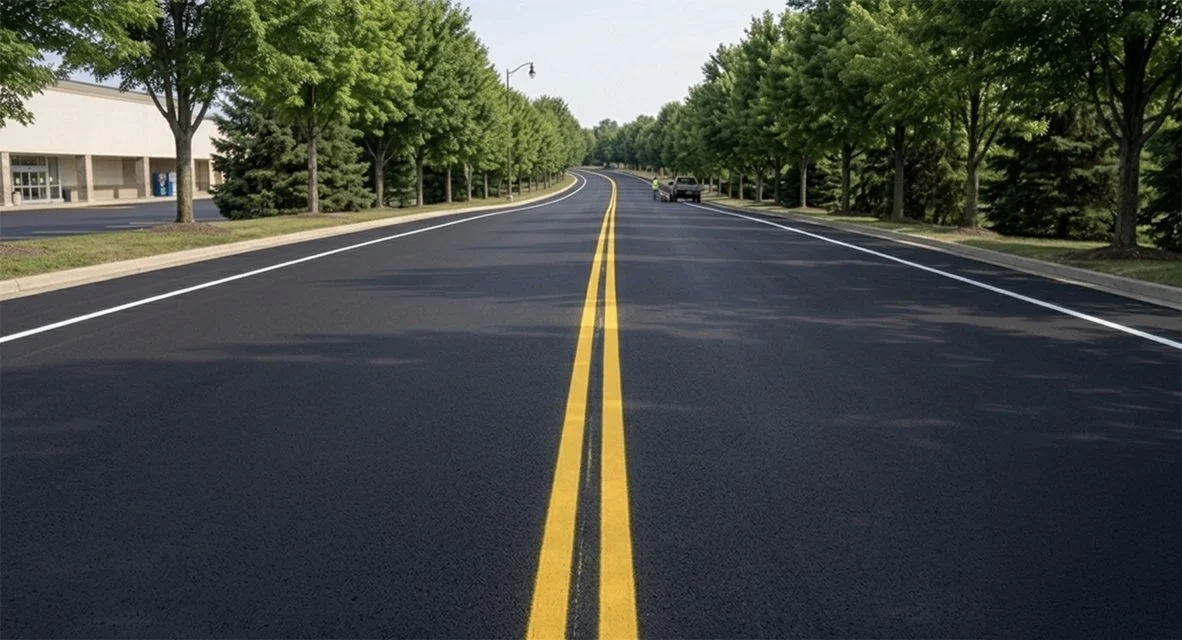
On a recent road restoration in an Indiana township, crews sprayed BioBlack AR at 11:30AM and opened the same road by 2:30PM that day. All while extending the life of the asphalt and leaving it looking like new for the community to enjoy.
Rejuvenating News & Insights


Get smarter about pavement preservation.
Subscribe for cost breakdowns, maintenance tips, and the occasional sealcoat myth we enjoy busting, delivered to your inbox every other week.
Before you sealcoat again,
talk to us.
FAQ
-
BioBlack AR is a 98.9% bio-based asphalt rejuvenator with a pigment made from FSC-certified wood waste. It's a non-hazardous alternative to coal tar and petroleum-based sealers — engineered to extend asphalt life rather than coat it.
-
BioBlack AR penetrates the binder and replenishes the maltenes that oxidation strips out as asphalt ages. By rebalancing the binder chemistry and reversing oxidation, it restores flexibility and dramatically slows the deterioration that leads to cracking, raveling, and overlays, typically adding around 5 years of usable life when applied on a three-year cycle.
-
Sealcoat sits on top of asphalt as a sacrificial wear film. BioBlack AR penetrates the asphalt and restores the binder underneath. The result: longer-lasting pavement, no tracking, no runoff toxicity, and a deeper black finish that won't fade to gray.
-
Yes. Unlike clear or amber rejuvenators that restore binder chemistry but leave the asphalt looking weathered, BioBlack AR carries a deep black pigment. You get binder restoration and a rich, lasting finish in a single application.
-
Every three years starting at two to three years old, roughly five applications through year fifteen.
-
BioBlack AR works on most stages of asphalt, but is best used on aged but structurally sound asphalt — typically lots between 3 and 8 years old, around a Pavement Condition Index of 85 (the preventative-maintenance stage), or any pavement showing surface graying and early oxidation. Many facility managers consider it at the moment they'd normally schedule a sealcoat reapplication, often around remodel or rebranding cycles.
-
No. BioBlack AR is engineered and tested to exceed a friction value of 50 (DFT-tested at both 24 and 96 hours after application). This is a real point of difference: some soy-based rejuvenators haven't nailed down their friction performance, and a surface that doesn't grip is a potentially dangerous and costly safety risk.
-
Yes. BioBlack AR meets FAA P-632 performance standards for bituminous pavement rejuvenation, with skid resistance above a friction value of 50 — critical for both vehicle braking and aircraft directional control.
-
Yes. BioBlack AR is 98.9% bio-based with pigment from FSC-certified wood waste, contains no PAHs, VOCs, or PFAS, and is verified carbon-neutral. It meets the sustainability criteria increasingly required for municipal, healthcare, and corporate procurement.
-
Major retail centers and federal facilities including a U.S. military base have used BioBlack AR to extend the life of their parking and roadway infrastructure while meeting rigorous performance and sustainability requirements.
-
PCI stands for Pavement Condition Index, a 0 to 100 score engineers use to rate asphalt. New asphalt scores near 100 and the number falls as the surface oxidizes and cracks. Each BioBlack AR application lifts the score, with a bigger improvement on younger asphalt and less as it ages. The value is cumulative and dependent on climate and others factors. With our recommended maintenance program, a treated lot can sit around 30 points above an untreated one at the same age.
-
By restoring binder cohesion, BioBlack AR locks fine and coarse aggregate back into the matrix. Documented reductions of 50% or more in surface raveling within two years of application.
-
Contact Nature Coatings for performance data, ROI models, or application support at hello@naturecoatingsinc.com.